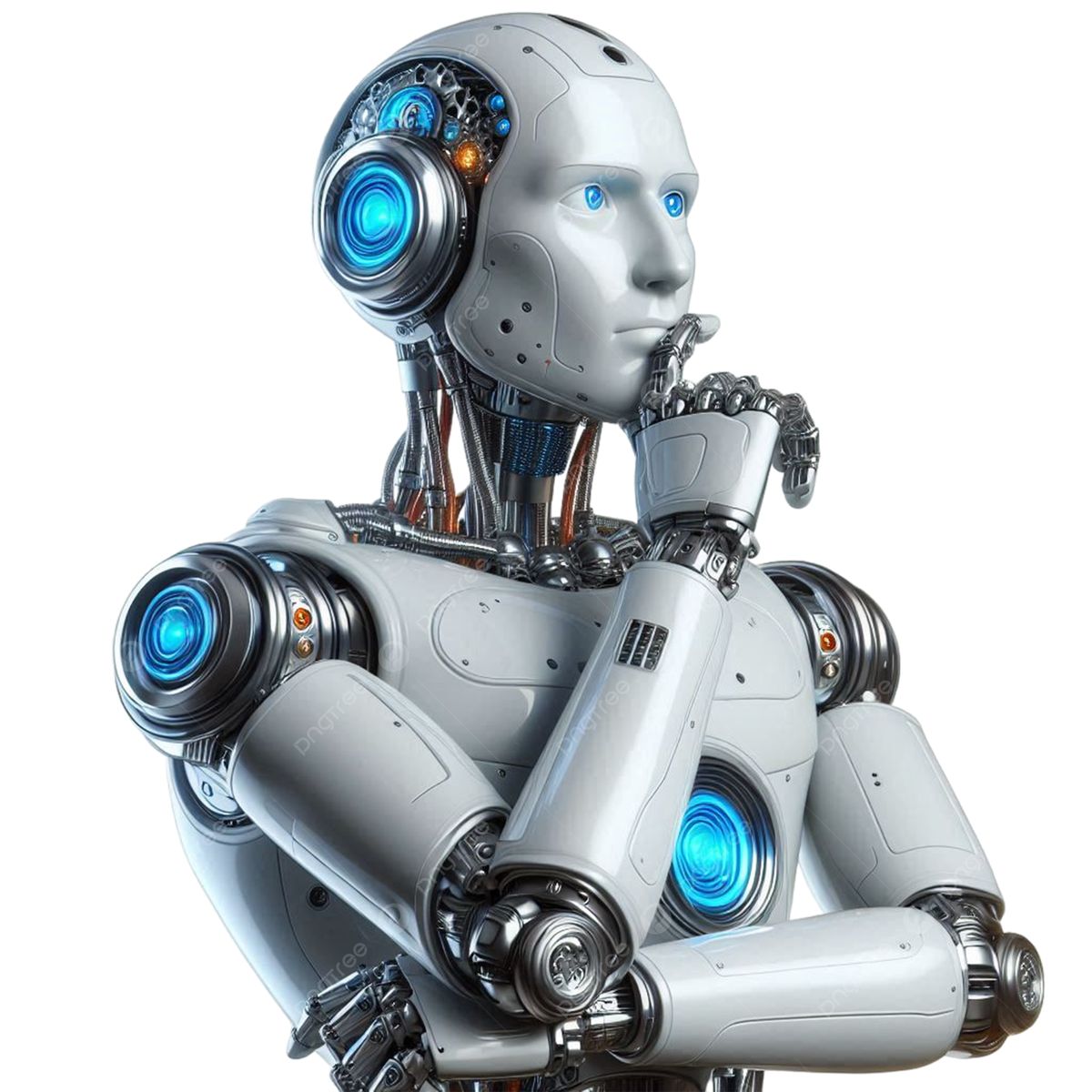
The last decade has witnessed the business landscape transform at a faster pace than before. At the center of this revolution is the powerful combination of Artificial Intelligence (AI) and automation. Those which had been viewed as experimental or future-oriented notions are now an integral part of productivity, innovation, and growth in nearly every industry.
From manufacturing and logistics to retail and healthcare, AI is transforming business thought, planning, and action across industries. It’s not just streamlining processes—it’s transforming the global economy.
Building the New Business Operating Model
AI and automation are revolutionizing the way organizational daily work is handled. Such processes that previously required massive teams and millions of hours are now done in seconds by smart systems.
Chatbots are taking over customer service representatives for routine questions, working round the clock with accuracy that never falters. In information industries, AI-fueled analytics software can crunch millions of data points to reveal patterns that human analysts may never see. While robots in factories do repetitive work with precision never seen before, the production happens at a faster pace with fewer human mistakes.
The impact is not difficult to observe: increased output, reduced cost, and increased consistency. By reducing labor dependence for drudgery, companies are able to use their human assets for strategy, innovation, and customer engagement.
A Global Impact: From Startups to Giants
The reach of AI is no longer limited to behemoth technology firms like Amazon, Tesla, or Google. Start-ups and small and medium enterprises (SMEs) across the globe are embracing AI solutions these days in a bid to stay ahead in the game.
An internet seller, for instance, can utilize AI to send tailored product suggestions to consumers, enhancing sales and satisfaction. Restaurants these days utilize AI-driven demand forecasting to strategize inventory and reduce waste. Logistics businesses utilize algorithms to map out most efficient routes, reducing fuel costs and delivery time.
Democratization of artificial intelligence—thanks to cloud computing and affordable software—is such that innovation is no longer the preserve of the biggest companies. Smallest businesses in developing countries also have new opportunities to expand with automation.

New Jobs and Skills
While there is fear that AI will displace work, history shows us that revolutions in technology bring more opportunities than they eliminate. The kinds of skills needed do shift however.
Today’s economy demands technologists such as data analysts, machine learning engineers, and ethicists to work on AI. There are also newer technologists such as “prompt engineers,” who are specialized in training AI devices like ChatGPT to create better-quality outputs, too.
AI isn’t about substituting human beings—it’s about augmenting human potential. We have the machines do the muddling and analytical legwork and focus on imagination, critical thinking, and emotional intelligence—the thing that we’re actually superlative at.
AI as a Strategic Business Growth Asset
Competitive businesses that use AI as part of their business strategy are highly competitive. Real-time data makes decision-making faster and more efficient. Companies can anticipate customer demand, tailor marketing, and predict market trends before they happen.
Risk management is also improved with AI. Banks use AI, for example, to detect fraudulent transactions within seconds, while factories use predictive maintenance programs to prevent costly equipment breakdowns.
On the other hand, AI has become a driver of growth that is strategic, making businesses more intelligent and quicker than ever.

The Future: Human and Machine Collaboration
In the future, the most successful organisations will be those who tap into collaboration between humans and machines. Rather than view AI as a threat, visionary CEOs see it as a partner in innovation.
AI provides the data-driven knowledge and automation brawn, and humans provide vision, compassion, and imagination. Together, this will be the foundation of the next business transformation wave.
Conclusion
Automation and AI are not amenities anymore, these are requirements for survival and success in a constantly changing global economy. Businesses that transform and adapt with these technologies will not just grow but they will dominate. Business’s future is not to the largest firms, but to the most flexible ones.