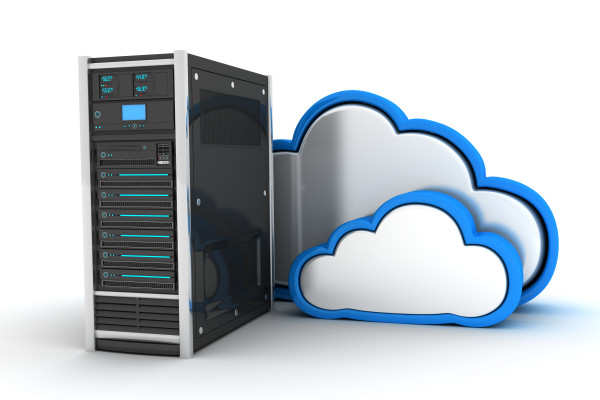
Nowadays Business requires scaling fast, profitable, and cost-effective. For business from ambitious startups to sprawling global enterprises needed cloud technology. And it has emerged as an important driver of scalability. Replacing old on-premise systems with more flexible, cloud-based resources, that let companies not only adapt more easily to changing demands and innovate more quickly but also operate with increased resilience.
Understanding Scalability in the Digital Era
Scalability is about the ability of a business to adapt to growth in operational aspects without sacrificing performance or user experience. Whether it is managing an increase in website traffic, able to accomodate new customers, expanding services in many markets, and it’s scalability ensures smooth operations without interruption.
Older IT infrastructures often struggle under rapid growth due to hardware limitation. from long upgrade cycles, to high upfront costs. Cloud technology easily eliminates these problems by providing virtually unlimited computing power, available the moment it’s needed.

Why Cloud Technology Accelerates Scalability?
1. On-Demand Resource Allocation:
Cloud have easy access of storage for business to obtain data, high processing power for many works, and networking for easy diverging. it can scale resources up and down easily. Businesses only needed pay for the services to enjoy all the benefits. It guarantees high performance during peak demand—seasonal e-commerce sales. for example—while keeping costs low during slower periods.
2. Global Reach with no Infrastructure:
Company often struggle to Expand in new regions. They require local servers, IT staff, and huge investments just to scale up. With global cloud networks like AWS, companies can deploy applications closer to customers anywhere in just a few clicks. This cuts latency and helps improve user experiences, opening business up to global markets.
3. Cost Efficiency and Reduced Maintenance
Cloud technology replaces capital expenses with a pay-as-you-go model. No longer do organizations have to buy, maintain, or upgrade physical hardware themselves. The cloud providers keep systems updated. they also apply security patches, and handle system maintenance so internal teams can focus on innovation.
4. Built-In Reliability and Security
Data stored in the cloud have multi-layer redundancy and thight security. If one server fails, another can takes over. The server itself is also constantly monitored and supported to achieve advanced encryption, identity management tools, and compliance frameworks—just what healthcare and finance need.
5. faster Innovation
They allow access to the latest technologies like AI. Using machine learning, analytics, server less computing, enabling quick ideas testing, faster product launches, and future-proofing of business operations. In time business need to move from their old systems, cloud enables the simplification of modernization and unlocks long-term speed.

Overcoming Migration Challenges
The cloud migration might also be fraught with data movement challenges, compatibility with legacy systems, compliance issues, and training requirements for the staff. it is low risk, cost efficiency, and ease of transition without disruptions.
The Future of Scalable Business Growth
Next-generation cloud innovations, from edge computing to hybrid models, will drive scaling faster and more efficiently. Cloud providers are also using renewable-powered data centers as sustainability becomes increasingly important, thereby helping businesses grow while reducing environmental impact.
Conclusion
Cloud server is redefining business scalability. With on-demand resources, global accessibility, built-in security, and continuous improvement, the cloud empowers organizations to grow confidently in a rapidly changing digital world. For businesses looking to stay competitive and agile, embracing the cloud isn’t an option but a strategic necessity.